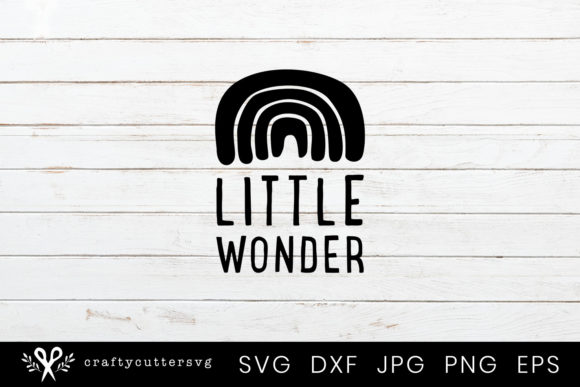
Little Wonder, Quote Clipart: An Embroidery Designer’s Take
When I scroll through a new batch of digital assets looking for that perfect piece to elevate a client’s order or my own shop’s inventory, I am rarely impressed by flashy graphics that fall apart under the needle. I look for structure, clarity, and emotional resonance. That is exactly what caught my eye with Little Wonder, Quote Clipart. As an experienced designer who has stitched thousands of hours into everything from high-end corporate polos to sentimental baby gifts, I evaluate every design file not just on how it looks on a screen, but on how it behaves in the hoop. After spending time analyzing this ready-to-go clipart, I have some strong thoughts on where it fits in your workflow and how it can transform your finished product.
The First Impression: Mood and Visual Personality
The name itself sets a specific tone. "Little Wonder" suggests something delicate, charming, and perhaps a bit whimsical. When you first load this graphic into your digitizing software or cutting machine interface, the visual personality is immediately clear. It does not scream for attention; rather, it invites the viewer in. The layout feels balanced, avoiding the cluttered aesthetic that often plagues low-quality clipart. For embroidery designers, this balance is critical because every line and curve must be translated into thread paths.
This design creates a mood of warmth and approachability. It feels like it belongs in a nursery, a cozy boutique kitchen, or on a personalized gift for a new parent. The shape and theme lend themselves naturally to projects that require a touch of softness without sacrificing professionalism. It is not a bold, aggressive statement piece; it is a subtle accent that adds character. This makes it incredibly versatile for craft business owners who want their handmade products to feel curated and thoughtful rather than mass-produced.
Real-World Application: From Screen to Stitch
I recently considered using Little Wonder, Quote Clipart for a custom embroidered tote bag project intended as a boutique branding item. The challenge with tote bags is that the canvas fabric can be thick and uneven, requiring designs that are sturdy enough to hold their shape but detailed enough to look intentional. Because this clipart is available for instant download and compatible with many cutting machines like Design Space, Silhouette Studio, and other cutting software, it offers flexibility in how you prepare it.
If I were converting this into a machine embroidery design, I would likely treat it as an applique design or a detailed satin stitch outline depending on the desired texture. The clean lines of the original clipart translate well into satin stitch work, which gives a polished, raised finish that customers associate with quality. Imagine this on a sweatshirt embroidery project for a holiday gift. The contrast between the smooth stitches and the soft fleece of the sweatshirt would highlight the design’s details beautifully. It works equally well on custom apparel like t-shirts or caps, provided the curvature of the hat is accounted for during digitizing.
For Etsy sellers and small shop owners, this design is a goldmine for personalized products. Think about a set of embroidered patches for denim jackets or a series of tea towels for a wedding gift. The quote aspect allows for personalization, which drives engagement. Buyers love seeing their names or dates integrated into a design that already has strong visual appeal. It elevates a simple handmade product into a keepsake.
Where Caution Is Required
No design is universal, and Little Wonder, Quote Clipart is no exception. There are specific scenarios where this graphic might struggle if not handled with care. First, consider the hoop size. If you attempt to place this design too small, you risk losing the nuance that makes it charming. Tiny lettering or intricate corners can become muddy blobs if the stitch density is too high or the resolution is too low.
Textured fabrics pose another challenge. While the design looks crisp on a flat digital mockup, stitching it onto a heavy bouclé wool or a highly textured linen can obscure the finer details. In these cases, I recommend using a proper stabilizer to ensure the fabric lies flat and the stitches sit cleanly on top. Similarly, stretchy fabrics like jersey knits require careful tension management. If the design is too dense, it can pucker the fabric, ruining the drape of a baby embroidery onesie or a fitted cap.
Dark fabrics also require strategic planning. Depending on the base color of the clipart, you may need to add a cut-away stabilizer or a backing layer to prevent show-through, especially if the design uses light thread colors. Always test on scrap fabric first. This is non-negotiable advice for any professional. What looks good on your monitor might behave differently when pulled tight in a 4x4 hoop versus a larger commercial frame.
Impact on Brand and Customer Trust
In the world of digital product sellers and creative entrepreneurs, presentation is everything. A well-executed embroidery project signals attention to detail. When a customer receives a finished product featuring Little Wonder, Quote Clipart, they are not just buying an object; they are buying the assurance that someone cared about the execution. Clean edges, consistent thread colors, and appropriate placement build brand consistency.
Furthermore, this design enhances the perceived value of your items. A simple tote bag becomes a premium accessory when adorned with a thoughtfully digitized graphic. It allows you to compete in higher price brackets because the craftsmanship is visible. For commercial embroidery clients, this reliability means fewer returns and happier end-users. It reduces the friction in your production process because the source file is clean and adaptable.
Practical Notes for the Discerning Designer
- Test Before You Commit: Never run a full production batch without testing the design on the actual fabric you intend to use. Check for puckering, thread breaks, and alignment issues.
- Check Contrast: Review your thread colors against the fabric background. Low contrast can make the design disappear, while high contrast ensures visibility.
- Inspect Small Details: Zoom in on the vector or raster file before digitizing. Ensure there are no overlapping paths that could cause confusion for your software.
- Verify Licensing: Since this is a digital asset, confirm whether the license permits commercial use for physical goods. This is crucial for Etsy sellers and those selling on marketplaces.
- Use Proper Stabilizer: Match your stabilizer to the fabric weight. Light fabrics need lightweight stabilizers; heavy fabrics need robust support to maintain stitch integrity.
- Mockup Wisely: Create printable mockups to visualize the final result. Seeing the design in black and white can help you judge its form and composition independently of color.
Ultimately, Little Wonder, Quote Clipart is a tool that rewards preparation. It is not a "set it and forget it" graphic, but rather a foundation for creating something beautiful. By understanding its strengths and limitations, you can integrate it seamlessly into your craft business offerings. Whether you are making holiday embroidery gifts, expanding your apparel decorator services, or launching a line of digital design assets, this clipart provides a solid starting point. Treat it with respect, test it thoroughly, and you will find it delivers a high-quality result that resonates with buyers and elevates your portfolio.